
Reviewed · PUNTA CANA SCUBA DIVING
Punta Cana: PADI Open Water Scuba Certification (2–3 Days)
In two or three days, SeaPro takes you from basic scuba skills in the pool to open-water training in Punta Cana. Complete the course and you earn a PADI Open Water certification that can be used for scuba excursions around the world.
I like two things here: you learn with an instructor through each stage, and the price includes equipment and round-trip transport from selected hotels. The small group cap of 10 people is another plus, though the actual class may be smaller.
The main trade-off is pace. This is a compact course, not a leisurely introduction spread over a week, and you need to be comfortable enough in the water to keep up. The sea can also bring algae or rough conditions, so Punta Cana’s underwater scenery may vary.
At a glance
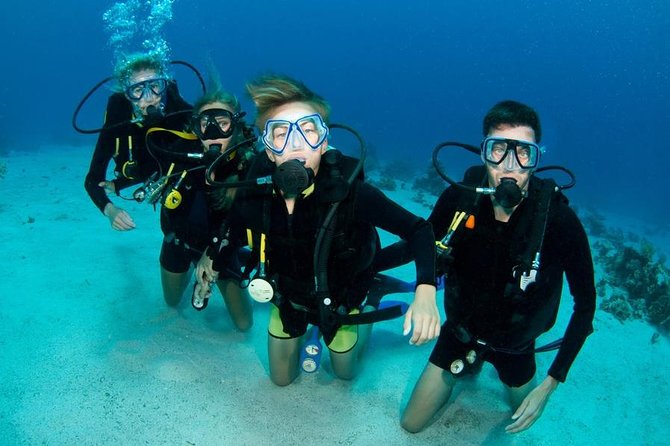
- A real certification course: Classroom and pool sessions lead to open-water training, with PADI certification awarded on completion.
- Two or three days: Pick the shorter course or allow another day, with some three-day plans offering a Catalina Island excursion.
- Personal instruction: The group is capped at 10. Instructors praised for clear, patient teaching include Jennifer, Daniel and Eugenio.
- Equipment is included: You do not need to arrange your own scuba gear for the course.
- Transport has exceptions: Hotel pickup and drop-off are included at selected hotels, but not at Cap Cana or Punta Cana Resort Club hotels.
- Plan around your flight: Diving within 24 hours of flying is not recommended.
From Playa Blanca to your first pool session
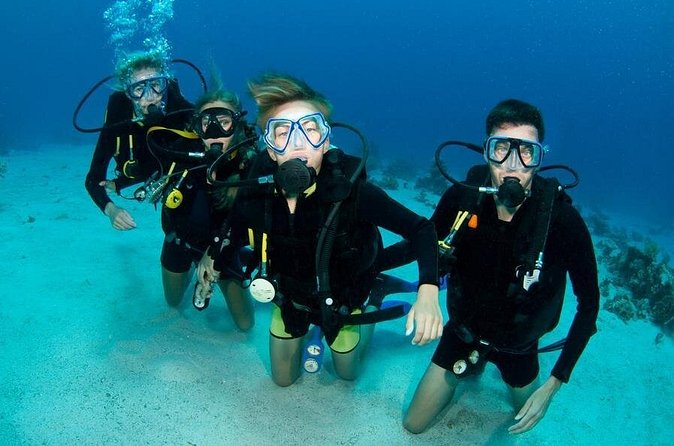
The course begins at SeaPro Divers, at Playa Blanca #2 in Punta Cana, with a 9:00 am start. If you are using the included hotel pickup, check your pickup details and be ready a little early. One useful bit of advice from past participants: be at the pickup point about 10 minutes ahead of the arranged time.
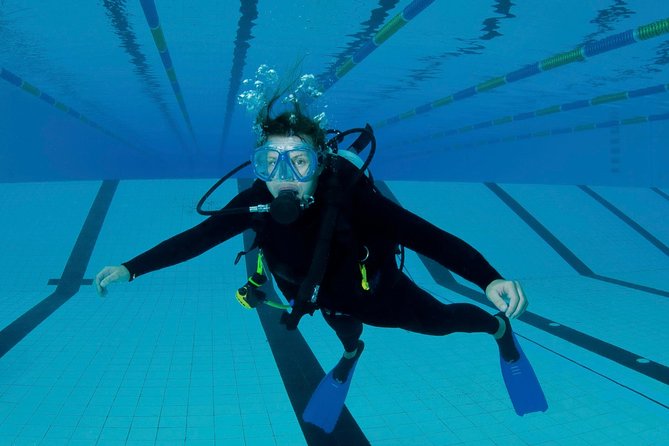
Your first stage combines classroom learning with pool practice. You get introduced to the equipment, learn how to use it and test core skills in a controlled setting before heading into the ocean. That order matters. The pool gives you a chance to understand how the gear feels and practice with an instructor nearby, rather than trying to master everything at sea.
The course is designed for beginners, but it is not passive sightseeing. You will need to listen closely, practice skills and follow instructions. One student described the pace as fast, and noted that feeling at ease in the water can help. If you are nervous, tell the instructor early. Jennifer, in particular, has been praised for patient explanations, positive reinforcement and taking extra time with students who need it.
More dives in Dominican Republic:
- First Time Scuba Diving Experience in Punta Cana
★ 4.5 · 148 reviews - Punta Cana Party Cruise with Snorkeling, Hooka Diving and Parasailing
★ 4.5 · 79 reviews - Full-Day Catalina Island Scuba Diving Tour from La Romana
★ 3.5 · 22 reviews
Pool practice is where confidence starts
For many first-timers, the pool is the most important part of the course. You can focus on the basics without waves or the open-water environment competing for your attention. The aim is to build enough comfort and control to use your equipment and complete the required skills before moving to the ocean sessions.
The exact sequence can vary. Some students have described spending time in the pool on both the first and second days, so do not assume the course moves from pool work to ocean training in a perfectly fixed daily order. If you have only two days available, ask SeaPro to confirm the schedule for your chosen date and course option before booking.
Instruction is one of the strongest reasons to consider this operator. Jennifer, Daniel and Eugenio are among the instructors named by past students, with comments emphasizing calm direction, clear communication and patience. Those qualities are practical, not just pleasant: if you are anxious, a steady instructor can help you focus on the skill at hand.
You should still arrive ready to participate. The course calls for a moderate level of physical fitness, and it is not a good fit if you are unwilling or unable to complete the pool and ocean training. There is a minimum age of 10, but all participants must also complete a health questionnaire. Certain conditions, including asthma or heart conditions, may prevent you from taking part. Speak with your doctor if you have a medical concern.
Moving from the pool to open water
After the pool and classroom work, the course continues with a series of ocean sessions. This is where you practice your skills in the sea under instructor supervision and work toward the certification requirements. It is the defining difference between a quick introductory activity and a course that can qualify you for future scuba outings around the world.
Punta Cana’s water conditions are not guaranteed to look postcard-perfect every day. Seaweed and algae have affected some participants’ view of the water, and rough seas have also been reported. That does not automatically make the training poor, but it is worth setting expectations: the purpose is to learn and complete your ocean training, not to guarantee a particular view or marine-life encounter.
The three-day option can give you more time, and some participants have paired their certification with an excursion to Catalina Island on the final day. That outing has been described as a rewarding add-on, with underwater scenery at the site and the chance for non-scuba family members to join the boat for snorkeling. Treat it as an option to verify, not an automatic part of every booking. Check exactly what your selected package includes, especially if Catalina is the reason you are considering the longer course.
Two days or three?
Choose the two-day course if your vacation schedule is tight and your priority is earning the PADI Open Water certification. It is an intensive route, so set aside the full course time and avoid crowding it against other plans. The two-day option is also the one to scrutinize carefully if you are new to the water or want more breathing room for practice.
The three-day course makes sense if you prefer a less compressed schedule or want to add the Catalina outing. That extra day can turn a qualification-focused trip into a fuller sea excursion, but it may also raise the total cost. Confirm whether the excursion is included in the price shown for your chosen option, and what the day involves.
There is also a choice between a PADI Open Water credential and a scuba-diver license in the tour options. These are different levels of training, so check the exact certification you are booking rather than assuming every course provides the same qualification. If your goal is to scuba independently with a buddy on future trips, make sure you select the Open Water option.
Swap the beach for something else:
- Adventure Bundle: Monkeyland, Ziplines & Buggies Punta Cana
★ 5.0 · 10,715 reviews - Monkeyland and Plantation Safari Tour from Punta Cana
★ 5.0 · 3,805 reviews - Punta Cana Monkeyland and Zipline Two Adventures in One Day
★ 5.0 · 1,036 reviews - Half Day ATV Adventure Water Cave Authentic Eco Tour At PuntaCana
★ 5.0 · 990 reviews
What the $649 price buys
At $649 per person, this is a substantial vacation expense. The value comes from combining instruction, pool and ocean training, equipment, certification on completion and transport from selected hotels. Put those pieces together and the fee buys more than a short recreational outing: it is a structured course that may let you take part in scuba activities on future trips.
Still, value depends on what you want. If you are only curious about being underwater once, a full certification course may be more commitment and cost than you need. If you plan to use the qualification again, the price is easier to justify, especially with the equipment and instructor time included.
Some past students have felt that local sites were less impressive than those in other countries, even while praising the staff. That is a fair distinction. You are paying for training and certification in Punta Cana, not a guarantee of world-class scenery. If the underwater location matters more to you than getting certified, consider whether a Catalina excursion or another destination better matches your priorities.
Food and drinks are not included, so bring a snack. Sunscreen is also recommended. These are small preparations, but a course day can feel longer if you arrive hungry or unprotected from the sun.
Small groups and people who keep things organized
A maximum group size of 10 is reassuring for a practical course. The instructor has fewer people to track than on a large group outing, and students can get more direct attention. The group may be smaller still: one participant described a class of three as an ideal size.
The organization also matters. Kat is frequently associated with arranging the course and answering questions before the training begins. That communication can be especially useful if you are booking from abroad and want to clarify the schedule, hotel transfer or certification choice. Jennifer, Daniel, Eugenio, Craig and Petra are among the instructors named by people who completed courses with SeaPro.
The praise is not just about friendliness. Students valued clear directions, calm reassurance and thorough teaching. Those details can make the difference between simply getting through the exercises and feeling prepared to use your certification responsibly. Of course, instructor assignments can change, so do not book on the assumption that you will have a particular person unless SeaPro confirms it.
Transport, health and flight timing
Hotel pickup and drop-off are included for selected hotels, but the service does not cover Cap Cana or Punta Cana Resort Club hotels. If you are staying at either, plan your own way to the meeting point at Playa Blanca #2. The activity ends back at the meeting point.
The scheduled start is 9:00 am. Confirmation is provided at booking, and the course has a maximum of 10 participants. It is near public transportation, though the most relevant detail for most people is whether their hotel qualifies for pickup.
Take the flight restriction seriously: scuba activity within 24 hours of flying is not recommended. If your vacation ends soon after the course, schedule the training with enough time before departure. You will also be asked to complete a health questionnaire before participating. Conditions such as asthma or heart problems may rule out participation, so ask your doctor before booking if you are unsure.
Free cancellation is available up to 24 hours before the start time. Cancellations made later than that are not refunded, and changes inside the 24-hour window are not accepted. Cut-off times use local time.
Who should book this course?
This is a good match if you want a recognized qualification, have two or three days to give it, and prefer instructor-led training to a one-off introduction. It also suits families with older children who meet the minimum age, provided everyone is medically fit and comfortable with the physical demands.
It is less suitable if you want a relaxed beach day, dislike structured lessons or have no time to fit the course around the 24-hour flight recommendation. If you are uneasy in water, that does not automatically rule you out, but be honest about your comfort level and ask questions before committing. The instruction is often praised for being patient, yet you still need time and attention to practice.
Should you book?
Book SeaPro if your goal is to leave Punta Cana with a PADI Open Water certification and you value equipment, instruction and selected hotel transport bundled into one course. The instructors’ reputation for patience and clear teaching is a real strength, particularly for nervous beginners.
Pause before booking if your main goal is a scenic ocean outing rather than certification, or if the $649 price strains your budget. Confirm the exact course level, daily schedule, transport eligibility and whether Catalina is part of your three-day option. Those details will tell you whether this is a worthwhile investment for your trip.
FAQ
How long is the PADI course?
You can choose a two-day or three-day option. The course includes classroom and pool learning followed by open-water training.
What is included in the price?
The course includes diving equipment, instruction, pool and ocean sessions, and PADI certification upon completion. Hotel pickup and drop-off are included from selected hotels.
Is hotel transport available everywhere in Punta Cana?
No. Transport is not included for hotels in Cap Cana or Punta Cana Resort Club. The meeting point is SeaPro Divers at Playa Blanca #2.
What is the minimum age?
Participants must be at least 10 years old. The course also requires a moderate level of physical fitness.
Can I take the course if I have a medical condition?
All participants must complete a health questionnaire. Some pre-existing conditions, including asthma or heart conditions, may prevent you from taking part. Consult your doctor if you have a concern.
How long should I wait before flying?
Diving within 24 hours of flying is not recommended. Plan your course so there is at least that much time before your flight.
Latest excursions in Dominican Republic
- traslado privado SUBURBAN/CADILLAC round trip PUNTACANA-UVEROALTO★ 4.5 · 15 reviews
- 15 minutes Parasailing in Punta Cana★ 3.5 · 4 reviews
- Transfer from Punta Cana Airport to Punta Cana & Bavaro★ 4.5 · 65 reviews
- Adventurous Quadricycle From the Heart of Punta Cana to Macao Beach★ 5.0 · 16 reviews
- Punta Cana Airport Transfers★ 4.5 · 13 reviews
- Punta cana: Half-Day Zipline Tour★ 5.0 · 4 reviews
- Punta Cana Family Buggy; cave pool, beach, coffee tasting★ 5.0 · 4 reviews
- Double Driver Buggy Adventure in Punta Cana for 2 Pax★ 4.5 · 13 reviews
Punta Cana Scuba Diving, compared.
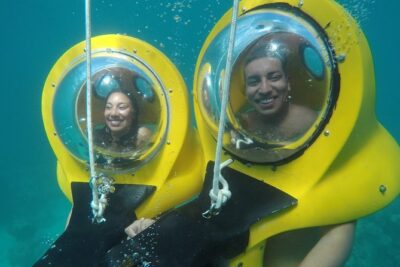
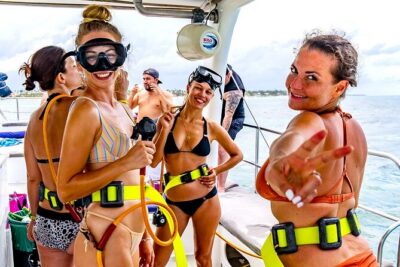
3 ADVENTURES: Sailing Catamaran Cruise – Hooka Diving – Snorkeling
Read our review →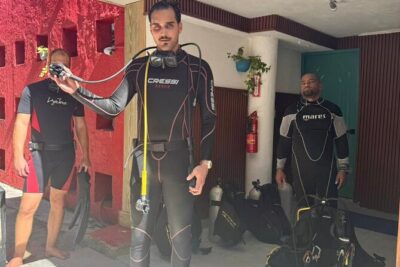
First Time Scuba Diving Experience in Punta Cana
Read our review →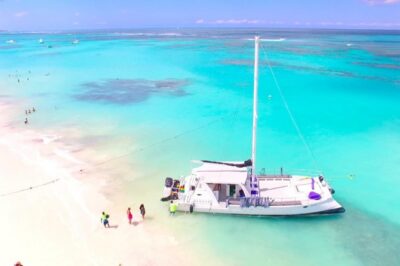
PACKAGE DEAL Catamaran- Snorkeling – Hooka Diving – Parasailing
Read our review →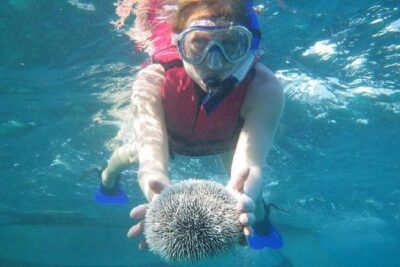
Scuba Doo Underwater Scooter in Punta Cana (Half Day)
Read our review →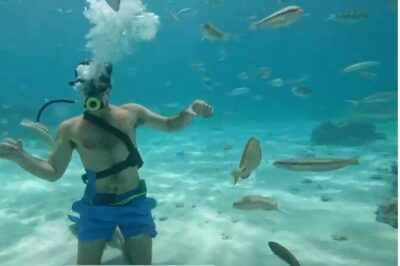
Punta Cana Party Cruise with Snorkeling, Hooka Diving and Parasailing
Read our review →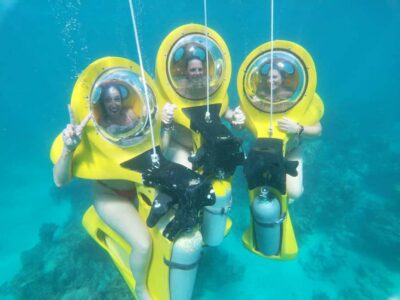
Browse the lists this tour appears in